
Delivery to any country within 10 days.
Visit the store.
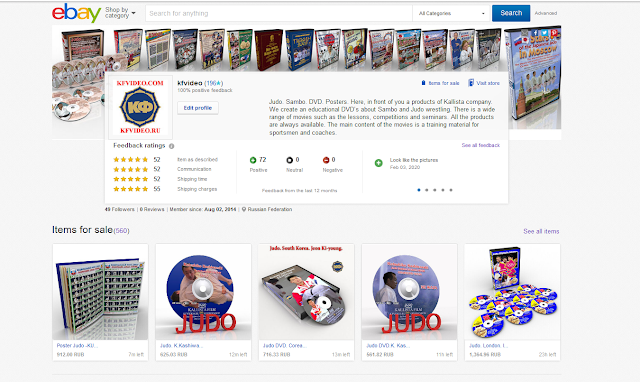
Store of DVD movies, posters and books.
See all feedback

We accept payments with

Kallista film offers a variety of products for self-study. You visited a store of textbooks, DVD films, visual aids on sambo and judo. All products are divided into categories.
- Judo on DVD. Here you will get acquainted with video films about techniques and methods of judo.
- Sambo on DVD. This category includes video films about the technique and methods of sambo combat.
- Judo books. This section consists of books and DVDs about judo techniques and techniques published in Japan. The authors of these books and films, the best trainers and teachers in
- Japan. Demonstrate technique champions of Japan, world champions, Olympic champions in judo.
- Sambo posters. If you need visual aids to combat sambo or you need to decorate the gym, then this section is for you.
- Judo posters. Get acquainted with this section more closely. Here you will find answers to the following questions. How many belts are in judo and what techniques do you need to know when taking the belt exam. Posters are sold in several formats. To decorate the gym and a portable option.
- Products at a discount. Take a look at this section. Here you will see a combination of various goods, collections, which can be bought with a discount of up to 50%.
- Economy option. This section is necessary for those buyers who are interested in only one movie. Pay attention to this section is divided into Economy version of judo and Economy version of Sambo.
- Free products. Products in this section will be available for free.



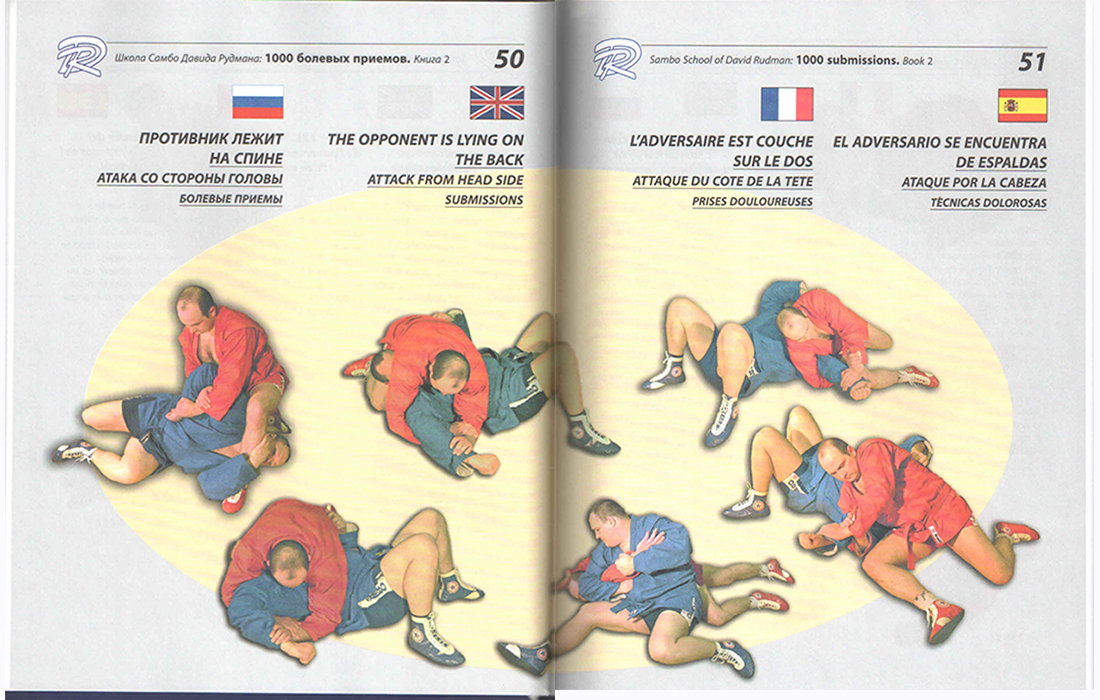


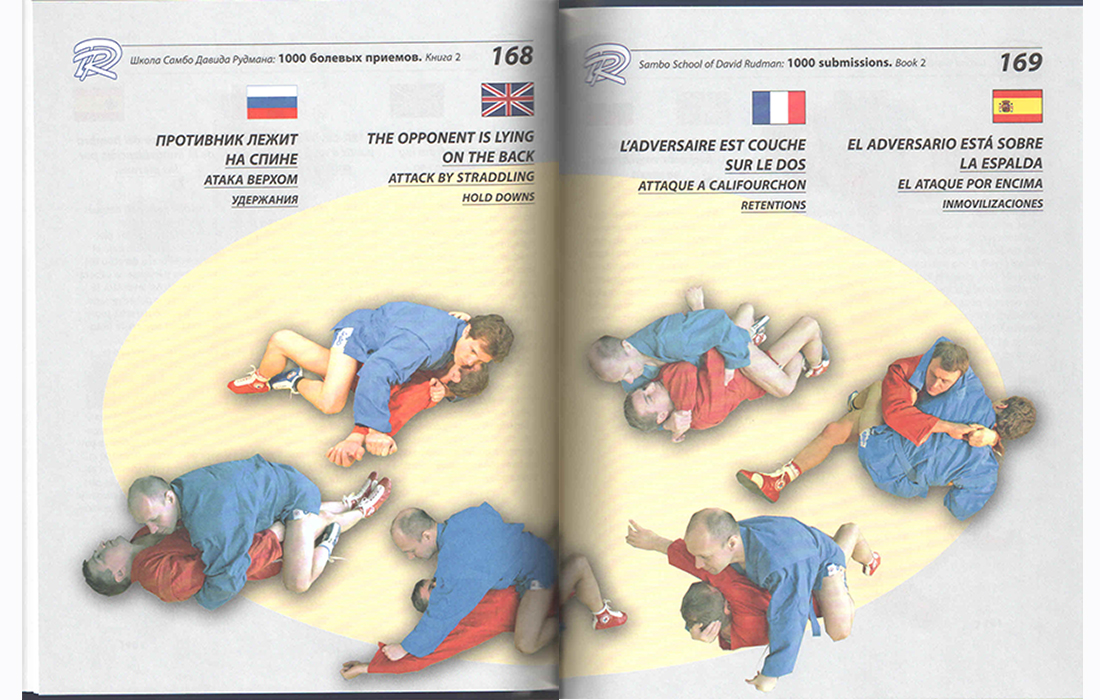


 Before you the first part of the film. The main theme of the first film is the technique and technique of performing osaekomi reception. The following options are dealt with in the film: Yoko-shiho-gatame, kami-shiho-gatame, head-tate-shiho-gatame, hon-kesa-gatame (hold on the side), kuzure- kesa-gatame (hold on the side with a grip from under the arm). In all varieties of osaekomi, he showed how to properly hold hands grips, how to put his feet, how to arrange a trunk. Kashiwazaki showed basic exercises for teaching children osaekomi techniques. The film will be useful for all lovers of judo. For young athletes, for experienced wrestlers, for professionals and coaches.


 Before you the second part of a seminar. Kashivazaki has found time for various details which help to strengthen reception performance.He has shown exercises for training of children in fight lying and has answered questions of participants of a seminar. The movie will be useful to all fans of judo. For young athletes, for skilled fighters, for experts and trainers. Katsukhiko Kashivazaki was born on September 16, 1951 the Japanese judoist. The silver prize-winner of the World Cups in 1975 and the world champion in 1981. I have begun to do judo with the 5th class. After the termination of the Tokaj university Tokai began to be engaged at Ibaraki Prefectural Taga school and the University. I have finished sports career in 1982. I worked as the national trainer in England, Canada, Germany and other countries. Since 2009 he trains judo at the International university Budo in Japan. I have written the book Fighting Judo with Terence Donovan published in 1986 by the Pelham magazine. Is the author of other books on judo and several methodical DVDs of movies. The excellent specialist in technology of fight lying. The best expert in Japan in tomoe-nage throw equipment (a throw through the head).


 Here is the third part of the seminar. In the third film, the main theme is the techniques, conducted mainly by the legs. In Japanese terminology, this is the section ashi-waza. Explaining the footwork technique for different throws, Kashivazaki always reiterated that footwork increases the chance of dealing with a strong opponent. It is necessary to start teaching children from the section ashi-waza. Much attention in the film is given to the foot sweeps section, as well as the technique of ko-soto-gari. Kashivazaki gave this explanation for taking ko-soto-gari. According to statistics of competitions held in Japan, ko-soto-gari action is used most often. In the course of the seminar, Kashivazaki constantly addressed the topic of how to teach children these techniques, what exercises to give. The film will be useful for coaches working with children, for athletes studying techniques from the foot sweep section.


 This is the fourth part of the seminar. In the fourth film, the main theme is the struggle for grip. In Japanese terminology, this is the Kumi Kata section. In this film you will see how to get rid of the capture of an opponent, how to intercept the capture from the enemy, which capture is not worth taking. Kashivazaki will show some tricks for capturing and explain how to choose it. In the course of the seminar, he constantly addressed the topic of how to teach children to take grips, what exercises to give. The film will be useful for coaches working with children, for athletes studying the section gripping in judo.


 This is the fifth part of the seminar. The seminar ends with this film. The main theme of this part is the ground fighting technique. In Japanese terminology, this is newaza. You will see several roll overs in ground fighting. Kashivazaki will explain and show from which positions the sankaku roll over is performed. At the end of the film, Kashivazaki talks about how he began to train, what difficulties he faced, how he managed to enter the world stage, how he had to change his personal technique as a result of several injuries. The film will be useful for coaches working with children, for athletes and amateurs studying judo.


